Step Into the Canals: Street Art, Reflections, and Renewal

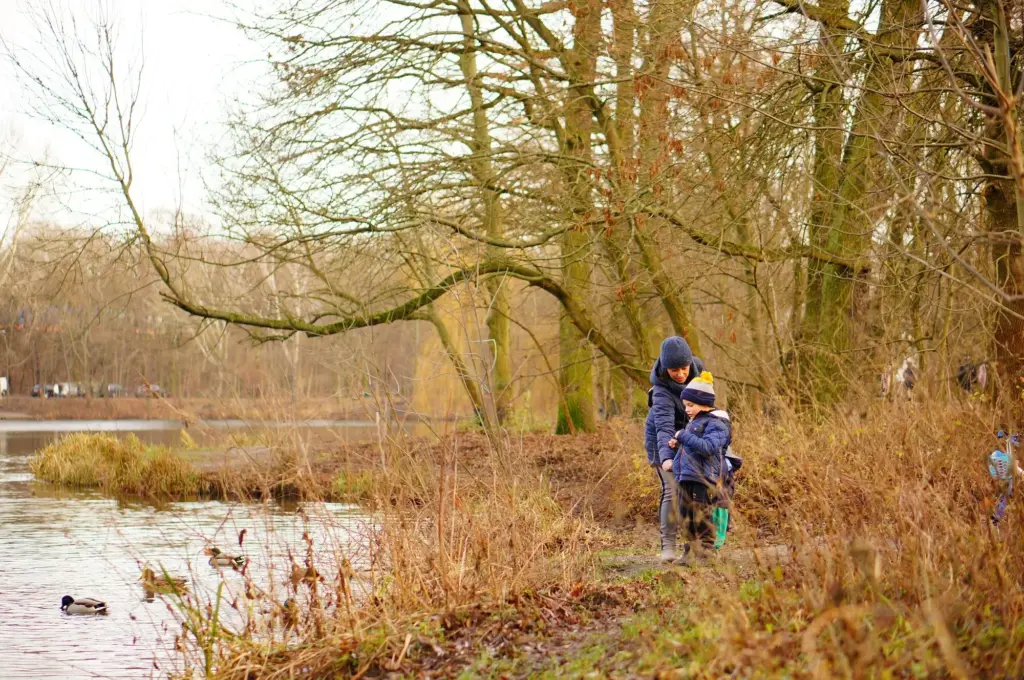
Today we wander urban canal walks showcasing street art and regeneration, following rippling water where color meets community change. Expect vivid murals, repurposed warehouses, and stories told under bridges. Lace up, slow your pace, and let the towpath guide you through living galleries, neighborhood pride, and small kindnesses that make a waterside stroll feel like a shared victory for cities reimagining themselves with creativity, accessibility, and hope.

Routes That Stitch Waterways Into City Life

Canals once built for industry now connect neighborhoods like gentle seams, turning quiet backwaters into lively promenades. Choose a path that passes locks, restored basins, and freshly planted banks, and you’ll notice how each bend reveals new layers of character. Wayfinding becomes intuitive: follow the water, read the bridges, listen for café chatter, and check community noticeboards. These routes feel safe, social, and reflective, offering space for contemplation while keeping you close to the pulse of the city’s changing heart.

Start at the Bridge, Follow the Paint

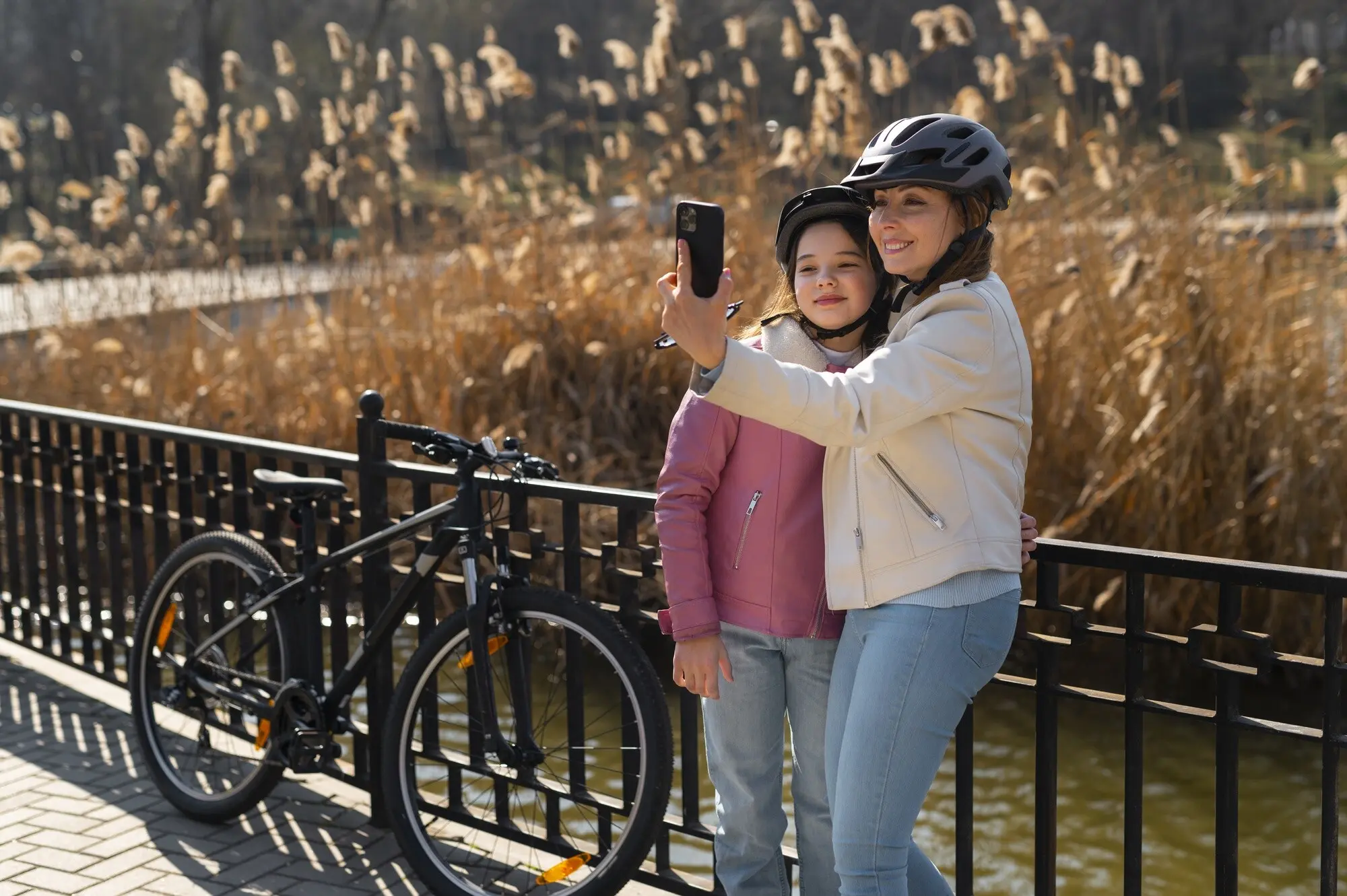
Bridges act like bookmarks, marking chapters of color and collaboration. Begin where pedestrians linger and cyclists pause, then let murals become your breadcrumb trail. Each arch frames a different rhythm: commuter footsteps, coots chattering, wheels on iron. If construction detours you, treat it as discovery—a chance to find a side street coffee cart, a local maker’s stall, or a new stretch of path opened by neighbors determined to stitch places together with care.
Stories in Brick, Iron, and Water

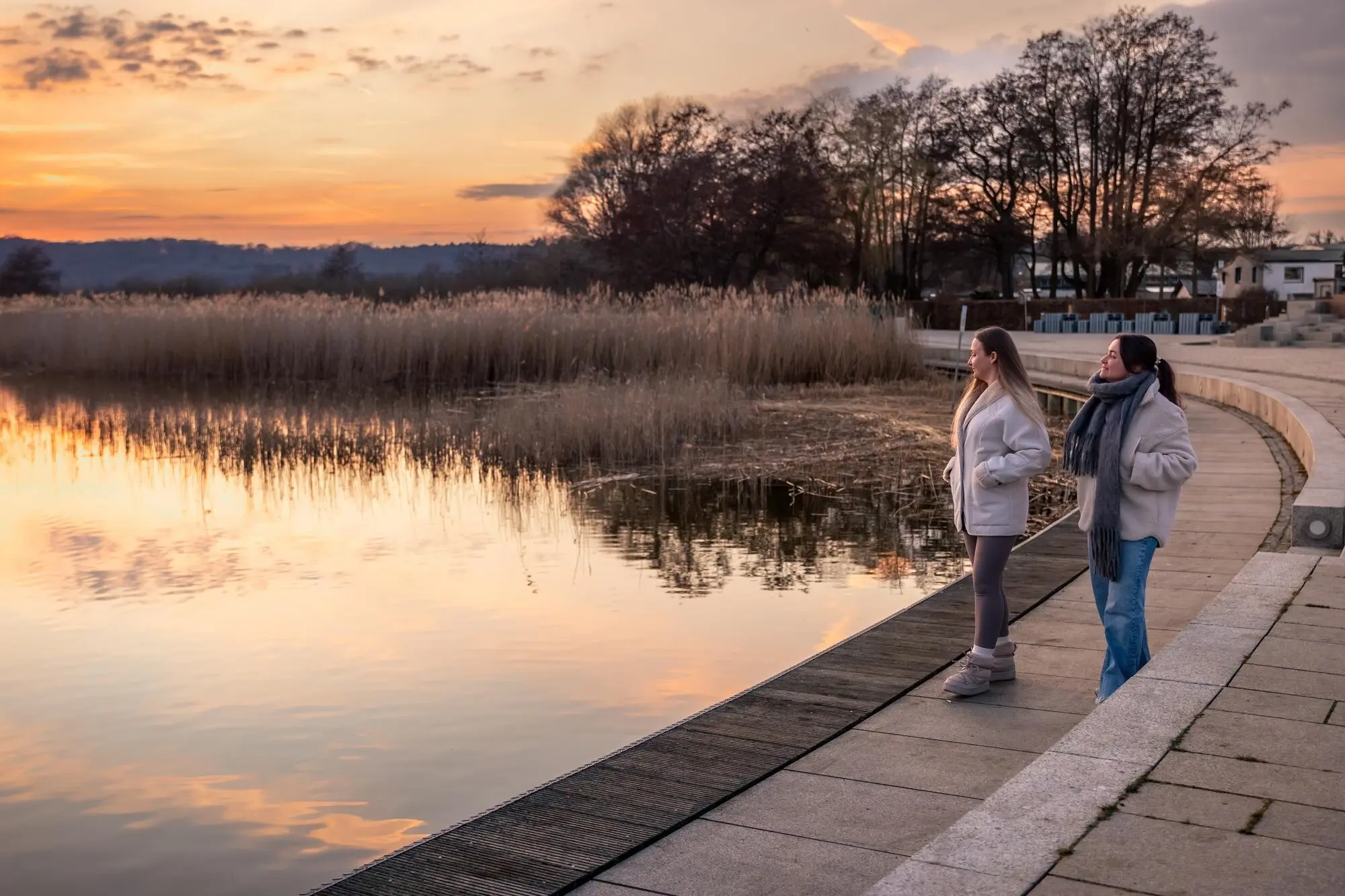
Lock gates sigh, masonry remembers soot, and ironwork catches sunlight like punctuation. Read plaques that honor barge workers and engineers, yet listen also for present voices: a volunteer sweeping litter, a child naming colors on a wall, a musician practicing beside reeds. The canal carries layered memory, and your walk gathers it gently. Drift between past and present, noticing tactical benches, repaired handrails, and the way a once-closed gate now welcomes through movement instead of forbidding it.
Moments Between Murals

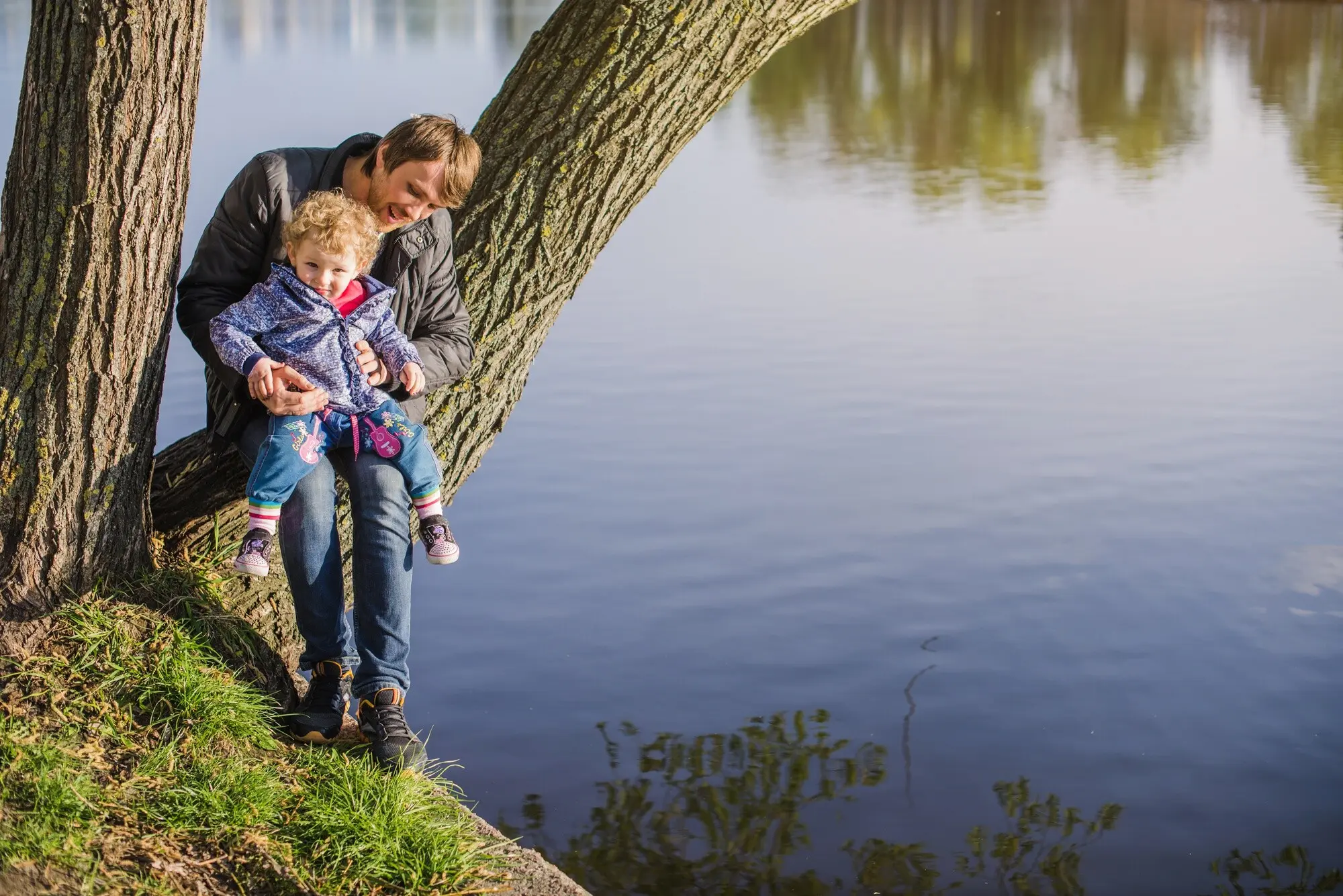
Between bold walls, embrace the quiet. A bench facing slow water can feel like a library of unsaid thoughts. Let the river of pedestrians edit your pace—greetings here, a nod there. Catch the scent of oranges from a cyclist’s backpack, steam rising from takeaway cups, or the earthy note of wet timber. These transitional spaces matter; they hold breath, invite conversation, and prepare your eyes for the next burst of paint arriving like a chorus after a tender verse.
Walls That Speak: Murals, Tags, and Community Permission

Look closely and you’ll notice a visual grammar: tags that announce presence, throw-ups that celebrate speed, larger pieces that wrestle with metaphor, wheatpastes that whisper temporary truths, and stencils clearing sharp silhouettes against weathered stone. Layers tell time—faded blues behind fresh neons, drips beneath crisp outlines. Don’t rush the reading; linger to see how dialogue forms. What repeats? What’s answered? Which corners become safe bulletin boards for artists experimenting without fear of erasure by official policies?
Along canals, artists often share walls with residents who share mornings. Commissioned projects flourish when planners, building owners, and youth groups meet over tea and maps. Think of bridges adopted by local schools, or viaduct arches granted to collectives that trade mentorship for paint. When neighbors guide palettes and words, murals mirror hopes: more trees, safer lighting, stories of migration and craft. Conversations can be messy, but shared pride outlasts disagreements, anchoring color to lived experience rather than passing trends.
Honor the path like a guest: keep to the towpath edge, never climb fences, and don’t intrude on homes that hug the water. Photograph with care, especially where windows reflect inside lives. Take your litter, lower your voice near moored boats, and give space to cyclists and wheelchairs. Graffiti debates are complex; your behavior needn’t be. Kindness protects the corridor, ensuring future walks remain welcoming. When you uplift maintenance crews and community stewards, paint stays vibrant, and strangers become generous guides.

Regeneration in Motion: From Warehouses to Waterfront Commons

London’s King’s Cross and Regent’s Canal

Around Regent’s Canal, King’s Cross demonstrates careful stitching of old and new: restored granaries facing broad steps, gardens threaded between brick, and paths that welcome commuters, families, and skaters alike. Public art complements walls rather than competing, while bridges offer generous sightlines. Night lighting guides rather than glares. Food halls hum, yet quiet corners remain. It’s not perfection; it’s iteration, negotiated over years. The lesson travels well: make edges generous, keep water visible, and let people author their own rituals.

Birmingham’s Basins and Creative Arches

Birmingham’s network gathers around Gas Street Basin, where towpaths connect lively squares, gallery spaces, and workshops tucked beneath railway arches. The water’s industrial backbone now carries café conversations and festival lanterns. Improvements prioritize step-free access and sightlines under bridges, while community groups coordinate cleanups that feel like block parties with gloves. Creativity thrives around corners: printmakers, ceramicists, experimental kitchens. The hum of invention meets the patience of water, and visitors realize regeneration is less project finale, more continuous, neighborly practice.

Manchester’s Reimagined Corridors

In Manchester, the Rochdale and Ashton corridors frame Ancoats and New Islington, where marinas shimmer beside brick mills re-cast as homes, studios, and bakeries perfuming the morning air. Benches invite long chats, meanwhile pop-up markets test ideas with minimal risk. Walkers witness a choreography of dogs, prams, cyclists, and artists catching references from reflections. The balance remains delicate—growth must not erase grit or squeeze out memory. Yet when residents steer decisions, water anchors renewal in everyday kindness and shared belonging.

Walking With a Lens: Light, Reflections, and Rhythm

Photography thrives beside canals because still water edits light into poetry. Plan for low sun angles, practice patience at locks, and try gentle pacing to let compositions emerge. Reflections double artwork, adding movement without chaos. Polarizing filters help manage glare, but curiosity outperforms gear every time. Ask permission for portraits, offer to share files, and write captions that honor context. Your images should carry respect, not extraction, framing streetside creativity as community testimony rather than disposable spectacle or collectible trophy.

Blue-Green Balance: Nature Thriving Beside Color

Wildlife Watch

Carry quiet curiosity. Notice moorhens threading reeds, damselflies stitching electric blue lines across stillness, and herons holding patient silhouettes beneath murals exploding with motion. Keep respectful distance, leash dogs near nests, and step lightly where banks soften. Log sightings using local platforms to support habitat planning. Celebrate small miracles: a frog’s throat ballooning, a bat’s dusk loop, seedlings gripping mortar cracks. These glimpses recalibrate scale and pride, reminding walkers that recovery can be measured in tiny wingbeats and careful footfalls.

Caring For the Corridor

Adopt an hour each month to join cleanups or gently remove windblown plastics as you stroll. Pack reusable gloves and a foldable bag. Praise maintenance crews who keep locks safe; report hazards promptly. Advocate for lighting that respects bats, and planting that feeds pollinators through seasons. When you post photos, credit volunteer groups and link donation pages. Care is contagious; the more neighbors join, the easier it becomes to steward both paint and plank, ensuring tomorrow’s visitors inherit brighter, kinder watersides.

Citizen Maps and Micro-Discoveries

Create personal maps that layer mural locations with nests, bloom times, and shady rest spots. Share public versions that protect sensitive habitats, masking exact coordinates when necessary. QR codes on community boards can link to artist bios, archive photos, and biodiversity notes updated by local schools. Celebrate micro-discoveries like moss patterns echoing spray textures or a fern sprouting beside a stencil. When data meets delight, participation grows, turning mapping into a creative act that honors both science and streetwise observation.

Timing, Weather, and Safety

Weekends invite crowds; early mornings offer space to linger. Check forecasts, mind slippery leaves, and wear shoes with grip that love puddles as much as flagstones. Carry a simple light for dusk underpasses, and walk in company after dark. Learn local towpath etiquette—ring bells politely, keep right where customary, and pause for wheelchairs. If a section feels uneasy, reroute without apology. The canal will still be there tomorrow, waiting with different light, another mural touch-up, and more considerate footsteps.

Gear Checklist With Purpose

Bring a compact bottle, small first-aid kit, sunscreen, and a notebook to sketch colors or collect names for credits. A phone with offline maps helps when cell signal dips beneath arches. Keep a power bank, respectful curiosity, and a spare tote for serendipitous market finds. If you photograph, pack a cloth, polarizer, and wrist strap. Travel light enough to welcome spontaneity while ready for sudden drizzle, unexpected festivals, and invitations to pop-up talks about paint, planting, and placemaking along patient water.

Join the Conversation

Share your walk kindly: post images with artist credits, tag neighborhood groups, and include accessibility notes about gradients or surface conditions. Ask readers to suggest overlooked corners or emerging projects. Subscribe to our updates for fresh routes, interviews, and seasonal ecology checklists. Reply with your story of a bridge that changed your day, or a mural that sparked a conversation with a stranger. Together we’ll map generosity, champion good stewardship, and keep these waterside galleries open, welcoming, and wonderfully alive.
Viroravodexokira
Privacy Overview

This website uses cookies so that we can provide you with the best user experience possible. Cookie information is stored in your browser and performs functions such as recognising you when you return to our website and helping our team to understand which sections of the website you find most interesting and useful.